




Key Features and Design Logic of Perfume and Aroma Diffuser Bottles
Release Time:
2025-07-11
As a container for fragrance, perfume and aromatherapy bottles are not only practical tools, but also core elements that enhance product quality and brand tone. Their design, materials, craftsmanship and other details directly affect consumers' visual experience and feelings.
As a container for fragrance, perfume and aroma bottles are not only practical tools but also core elements that enhance product quality and brand tonality. Their design, material, craftsmanship, and other details directly affect consumers' visual experience and usage experience. The following is an analysis of the key characteristics and design logic of perfume and aroma bottles from a core dimension perspective:
I. Material: Selection Based on Texture and Function
1. Glass: The Mainstream First Choice Material
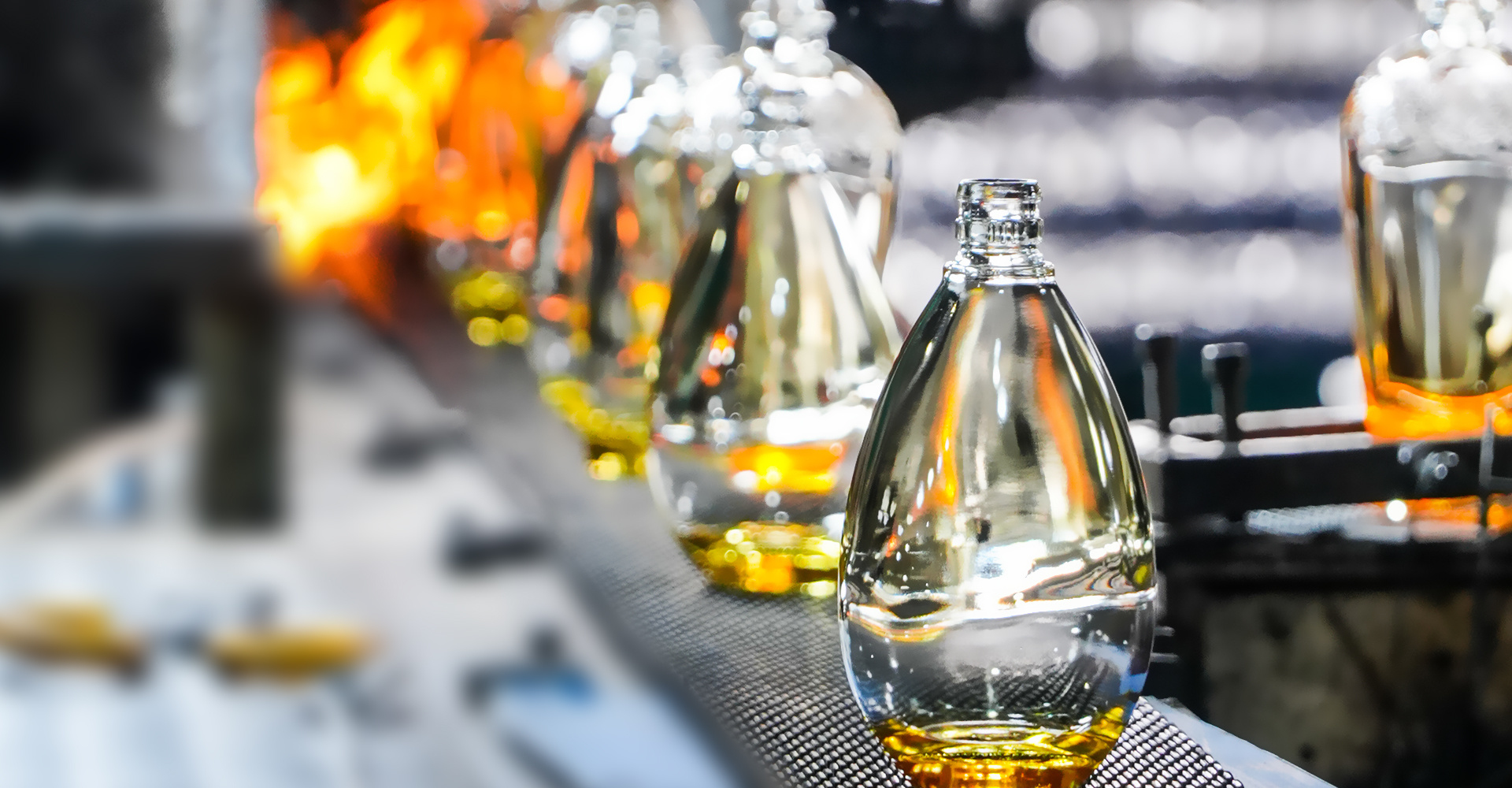
Advantages: Strong chemical stability (does not react with fragrance), good light transmission (shows the color of the liquid), can be processed at high temperatures (suitable for a variety of decorative processes), and has a high-end texture, making it a standard for high-end perfumes and fragrances.
Subdivision Types:
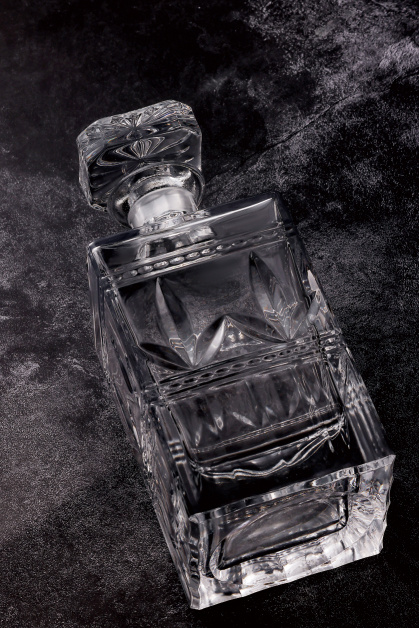
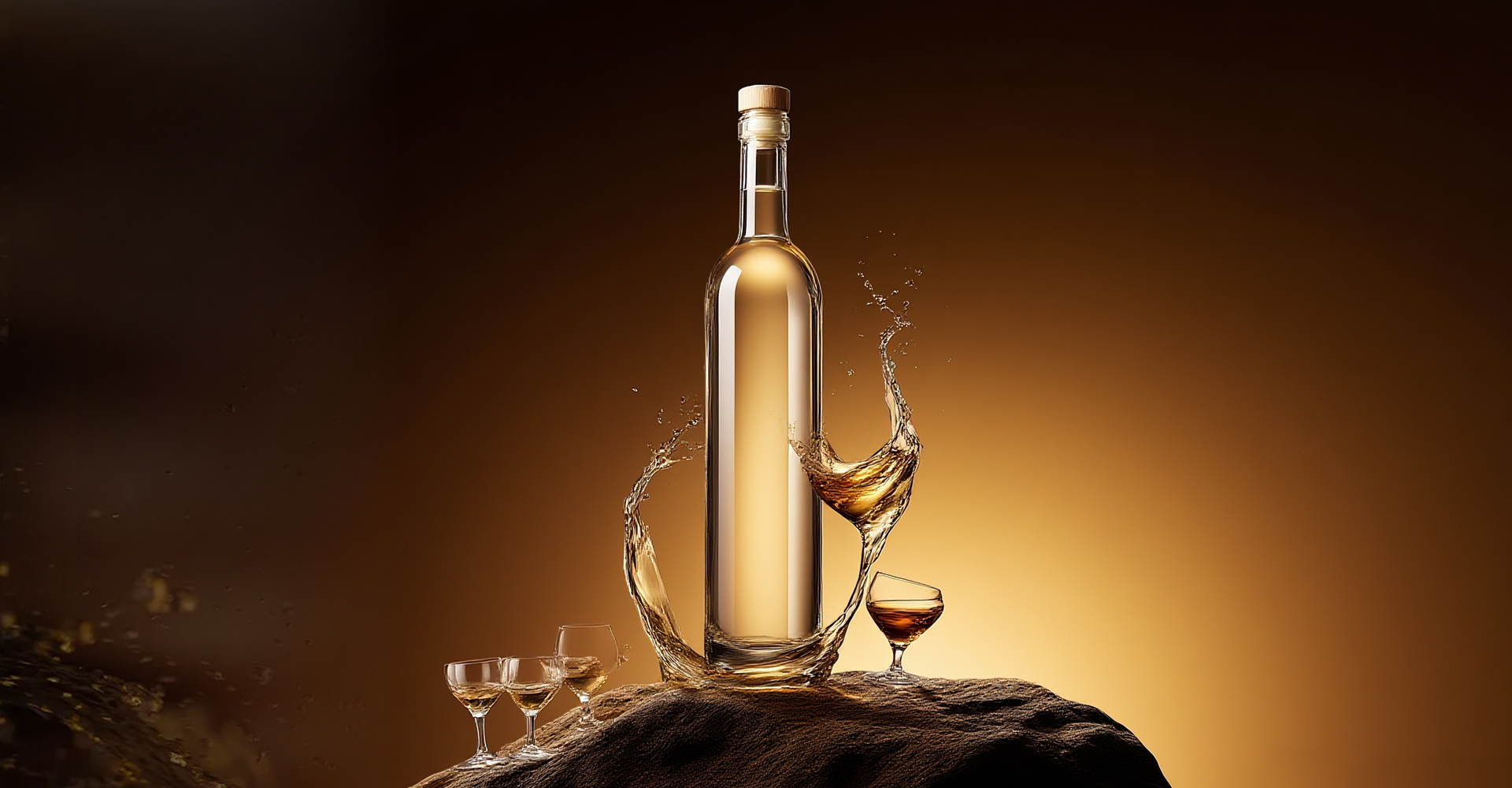
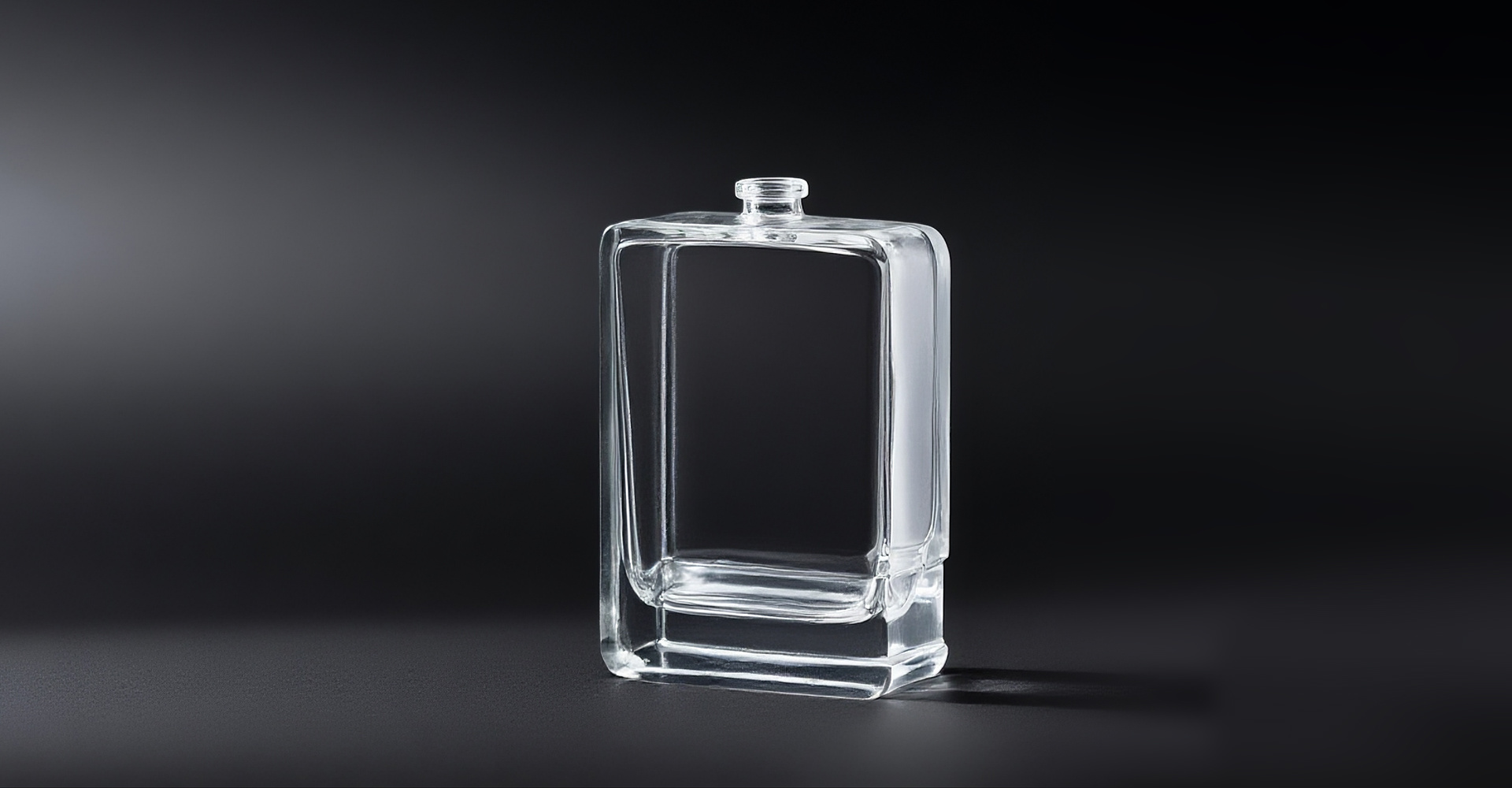
Transparent Glass: Highlights the natural color of the perfume (such as light pink rose fragrance, amber cologne), suitable for minimalist or natural styles.
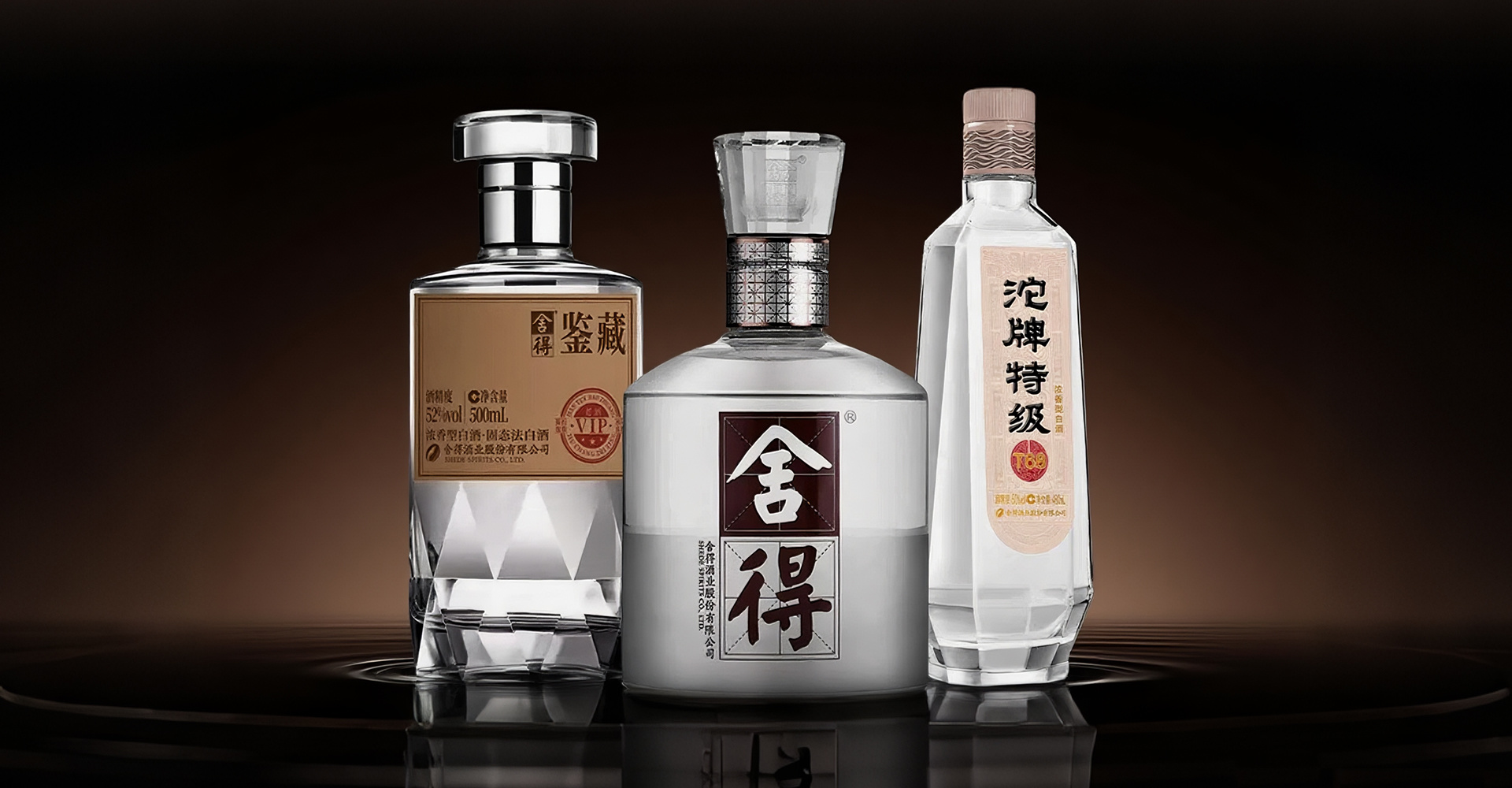
Frosted Glass: Weakens light through surface atomization treatment, creating a hazy and high-end feel, commonly used in niche fragrance brands, and can hide fingerprint residue.
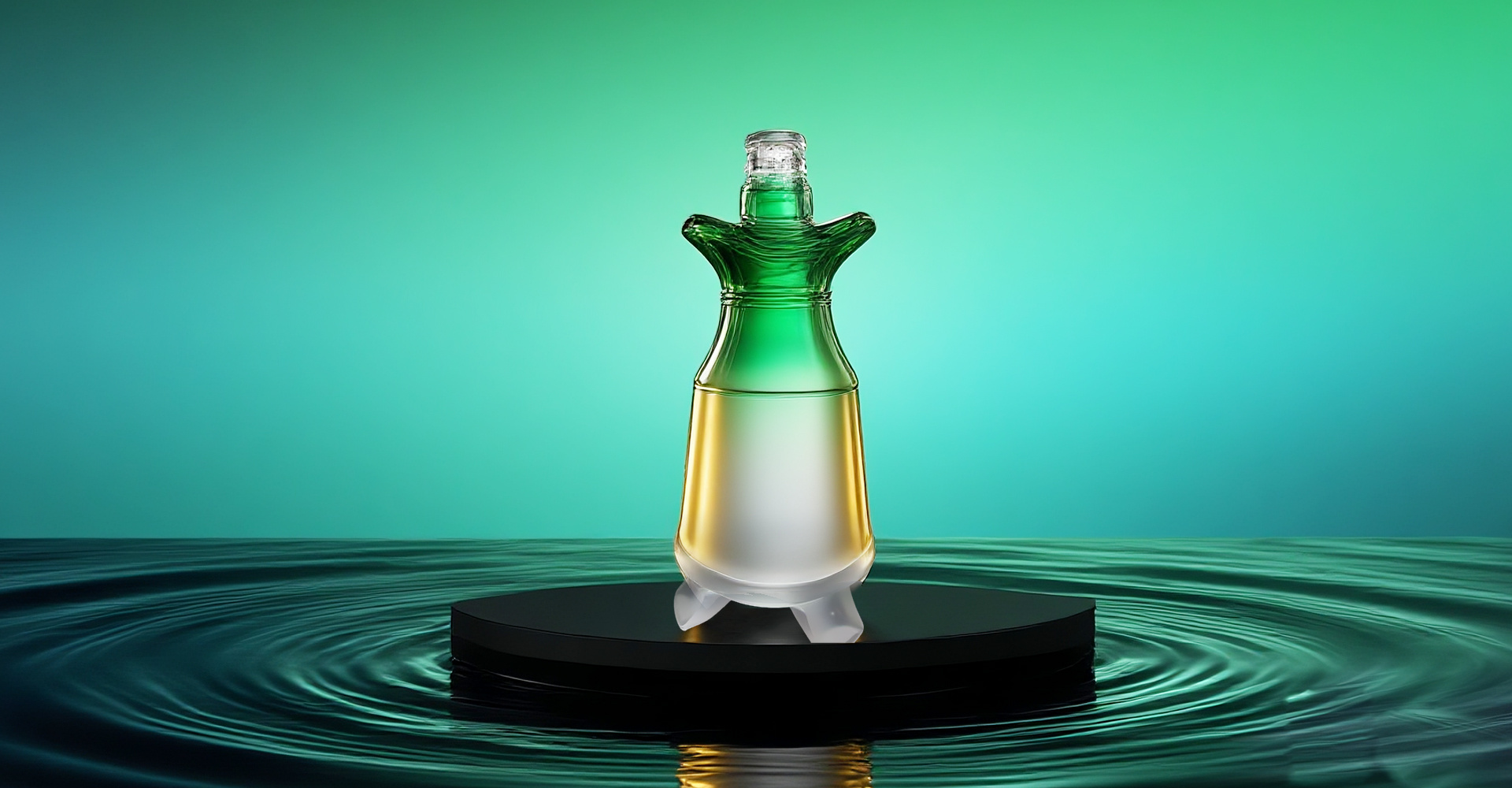
Colored Glass: Made by adding metal oxides (such as cobalt blue, selenium red) to the glass raw material, it has a retro or artistic temperament and can form visual memory points without additional decals (such as Diptyque's berry red fragrance bottle).
2. Ceramic: Focuses on Retro and Gentle Feeling
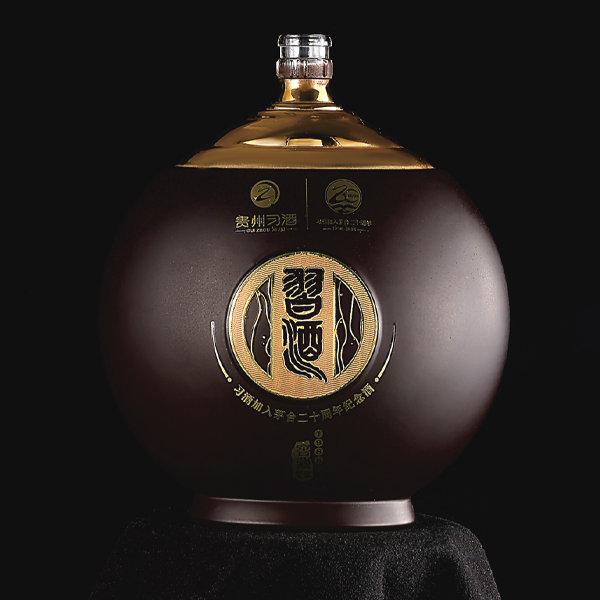
Suitable for oriental fragrance and Zen aromatherapy, the surface can be made with overglaze color, relief and other crafts, with its own matte texture, but it is heavier and has poor light transmission (usually with wooden or metal cover to balance the texture).
3. Metal / Acrylic: Niche and Functional Supplement
Metal (aluminum, copper): Mostly used for portable perfume, lightweight and drop-resistant, suitable for outdoor or travel scenarios, but the inner wall needs to be anti-corrosion treated (to avoid metal reaction with fragrance).
Acrylic: Low cost, drop-resistant, often used in cheap fragrances or complex shaped special-shaped bottles, but the texture is plastic, long-term contact with fragrance may be slightly deformed.
II. Styling Design: Extension from "Bearing" to "Expression"
1. Bottle Type: Fits the Temperament of Fragrance and Scene
Classic Basic Models:
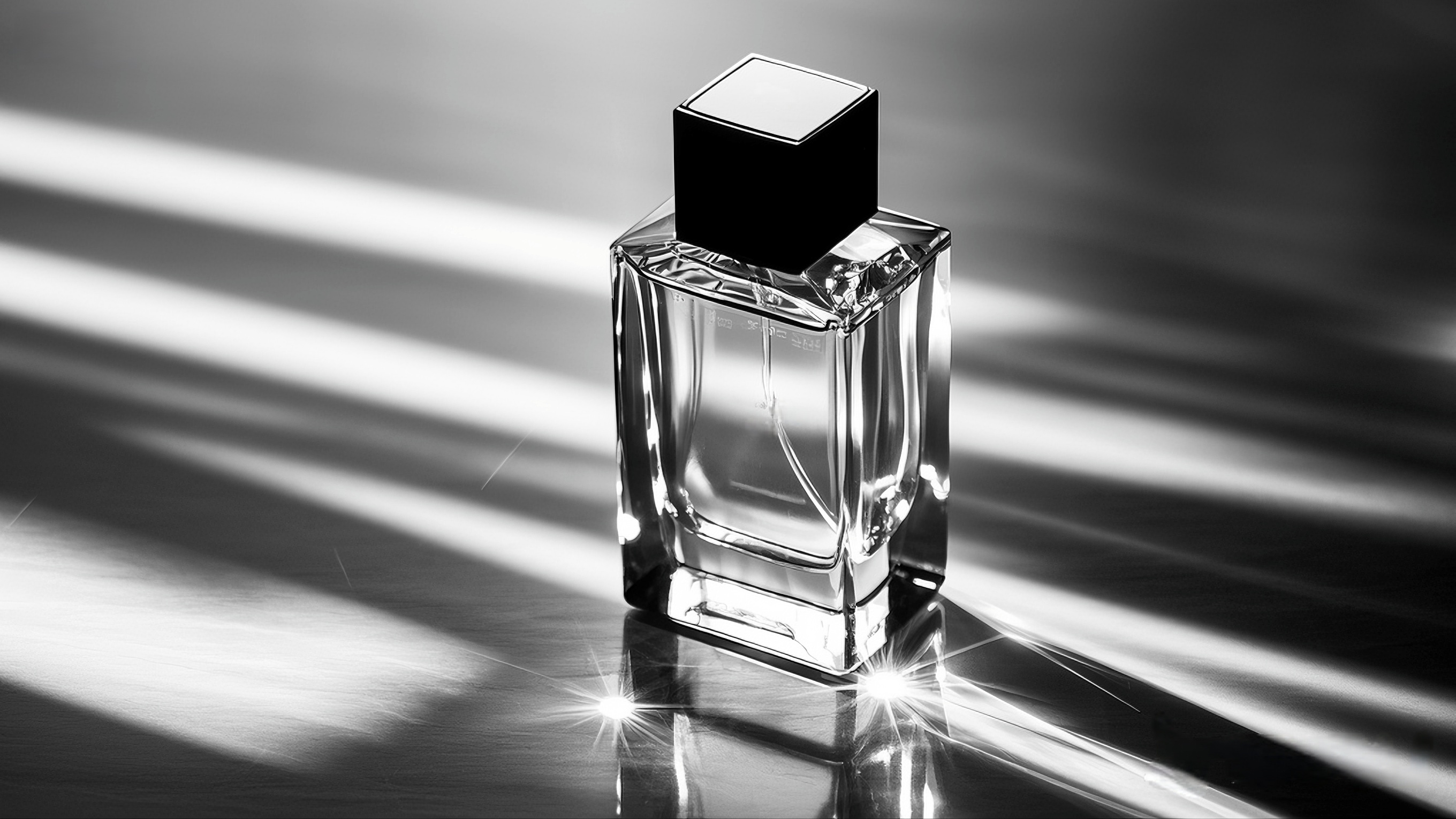
Cylindrical / Square: Simple and versatile, suitable for modern home style, easy to highlight the brand LOGO after labeling or lettering (such as Jo Malone's square fragrance bottle).
Flat Round: Saves space, suitable for desktop placement, soft curved lines, often with soft fragrance (such as floral, fruity).
Special-shaped Design: Conveys the brand story through unique contours, for example:
Curved Bottle Body: Simulates the human body contour or natural form (such as Coco Chanel perfume's classic curve), echoing the rich, sensual fragrance.
Geometric Cut: Angular polyhedron (such as Tom Ford perfume), highlighting the cold, high-end neutral fragrance texture.
Mini Compact: 3-5ml roller bottles, spray bottles, mainly portable, suitable for perfume samples or travel size, the bottle mouth design should pay attention to sealing (to avoid leakage).
2. Bottle Mouth and Nozzle: Key to Affecting the User Experience
Perfume Bottle: Mostly with press-type nozzle, pay attention to the atomization effect (spray fineness), pressing resistance (whether smooth), high-end models will use metal nozzle (such as silver, gold) to enhance the texture.
Aroma Bottle:
Flameless Aromatherapy: The diameter of the bottle mouth determines the suitability of rattan/diffuser stone (usually 2-5cm), and the edge of the bottle mouth needs to be polished smooth (to avoid scratching the hand).
Candle Aromatherapy: The bottle body needs to be heat-resistant (glass thickness ≥3mm), and the size of the bottle mouth affects the oxygen flow during combustion (too small will lead to unstable flame).
III. Decorative Craft: Giving the Bottle a Unique Memory Point
1. Surface Treatment: Upgrading from Tactile and Visual Dimensions
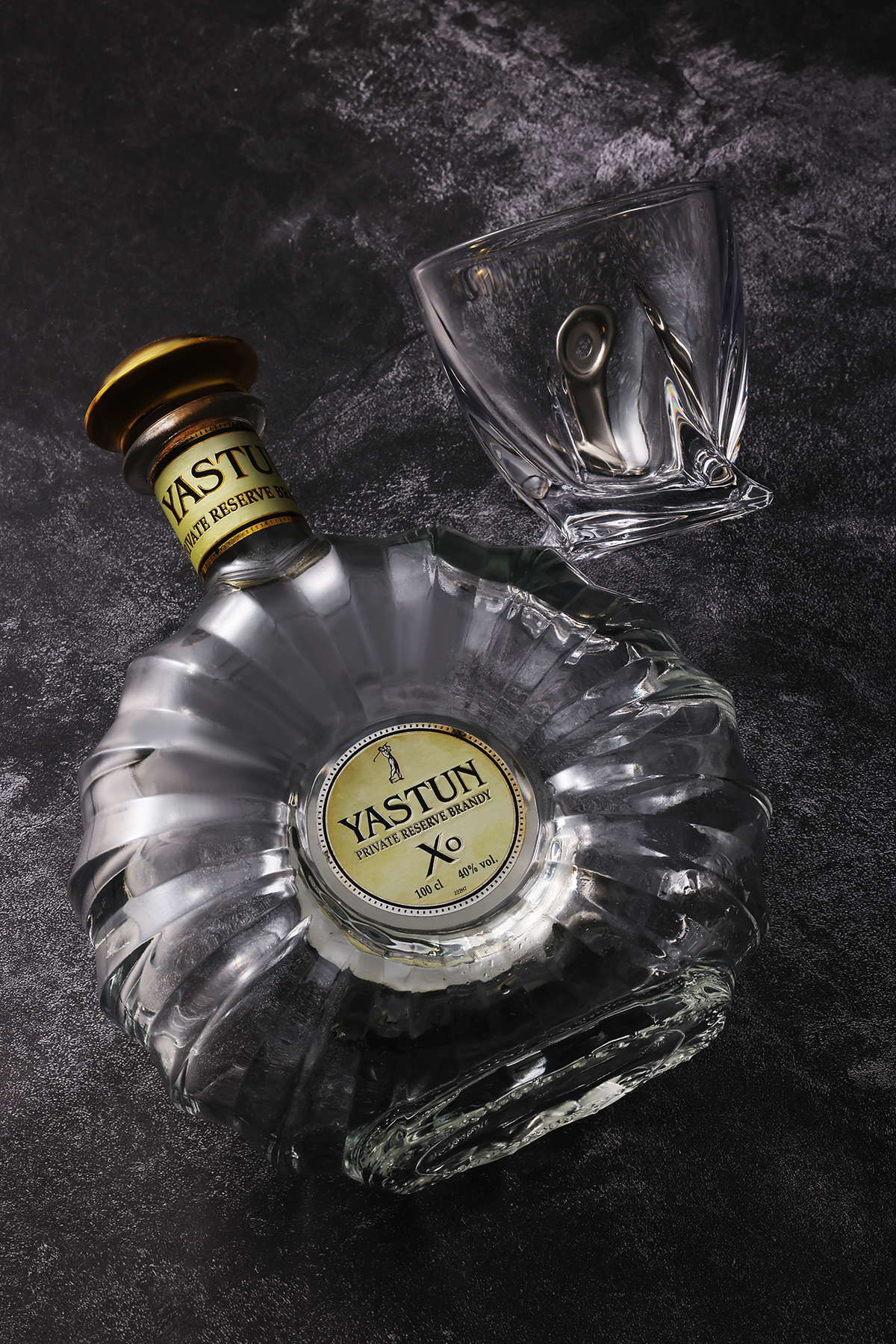
Engraving / Etching: Forming concave and convex textures on the bottle body through laser or chemical corrosion (such as brand LOGO, geometric patterns), there is a three-dimensional sense when touched, and it is not easy to wear (suitable for high-end positioning).
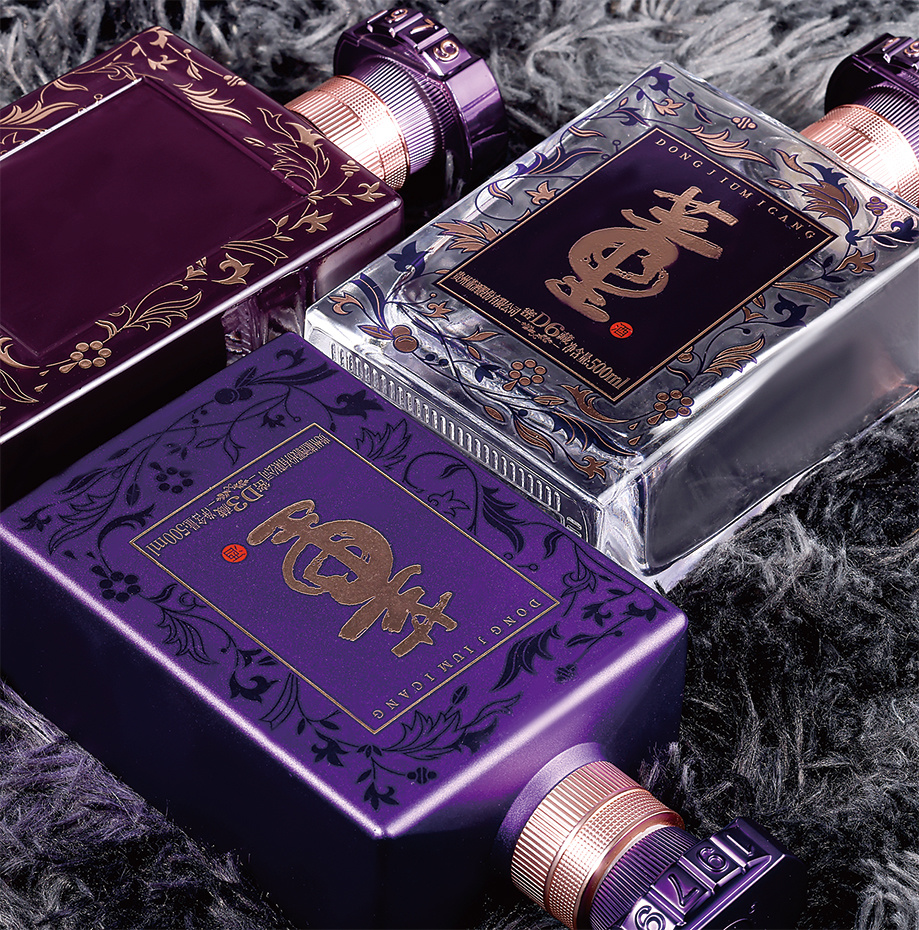
Electroplating / Hot Stamping: Plating a metal layer (gold, silver, rose gold) on the bottle mouth and part of the bottle body to form a contrasting color contrast and enhance the sense of luxury (such as Byredo's gold bottle mouth design).
Frosted Gradient: Making a frosted concentration gradient from the top to the bottom of the bottle body, presenting a sense of layering when light passes through, suitable for marine and woody fragrances.
2. Labels and Printing: Artistic Expression of Brand Information
Hot Stamping / Hot Silver Labels: Attaching metal-textured labels to transparent or frosted bottles, the text is slender and delicate, suitable for retro or court style (such as Penhaligon's perfume bottles).
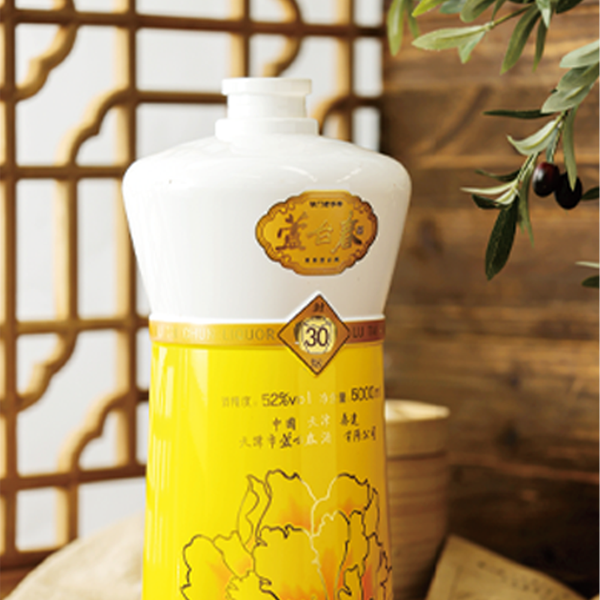
Overglaze Color / Baked Flowers: High-temperature firing makes the pattern blend with the glass, water-resistant and scratch-resistant, often used in ceramic fragrance bottles or colored glass fragrance bottles, the patterns are mostly natural elements such as plants and totems.
No Label Design: Conveys brand information through the shape or color of the bottle itself (such as Le Labo's minimalist glass jar, only handwritten fragrance name), focusing on minimalist and environmentally friendly concepts.
3. Bottle Cap: The Finishing Touch
Material Matching: Metal caps (zinc alloy, copper) are suitable for perfume, wooden caps (walnut, beech) are suitable for natural aromatherapy, and glass caps (same material as the bottle body) strengthen the overall feeling.
Functional Design: The aromatherapy bottle cap can be built-in with magnets (convenient to open and close), or made with hollow carvings (the fragrance can be emitted from the gaps, with both fragrance diffusion functions).
IV. Design Logic: "Temperament Unity" of Fragrance and Bottle
Fresh notes (citrus, marine fragrance) : Often uses transparent glass, streamlined bottle design, with light-colored labels or no decoration, to convey a refreshing and transparent feel.
Rich notes (oriental fragrance, leather fragrance) : Often uses dark glass (dark green, dark brown), heavy bottle design, with metal decorations, to highlight mystery and luxury.
Natural notes (woody, herbal fragrance) : Tends to use frosted glass, ceramic materials, with elements such as rattan weaving and hemp rope to enhance the original ecological temperament.
Whether it's perfume or aromatherapy, the design of the bottle always revolves around 'fragrance narrative' - allowing consumers to associate the style and atmosphere of the fragrance at the first glance of the bottle. From the touch of the material, the lines of the shape to the details of the decoration, every detail is silently conveying the brand's aesthetics and value proposition.
Keywords:
Learn more about industry trends
We are here to help you
Address: Industrial Park, Shiyanqiao Town, Longchang, Neijiang City, Sichuan Province

Copyright © 2025 All rights reserved by Sichuan JIUPINGLIANHUA Glass Products Co., Ltd. Power by 300.cn · Privacy Policy


 Jiuping Lianhua