




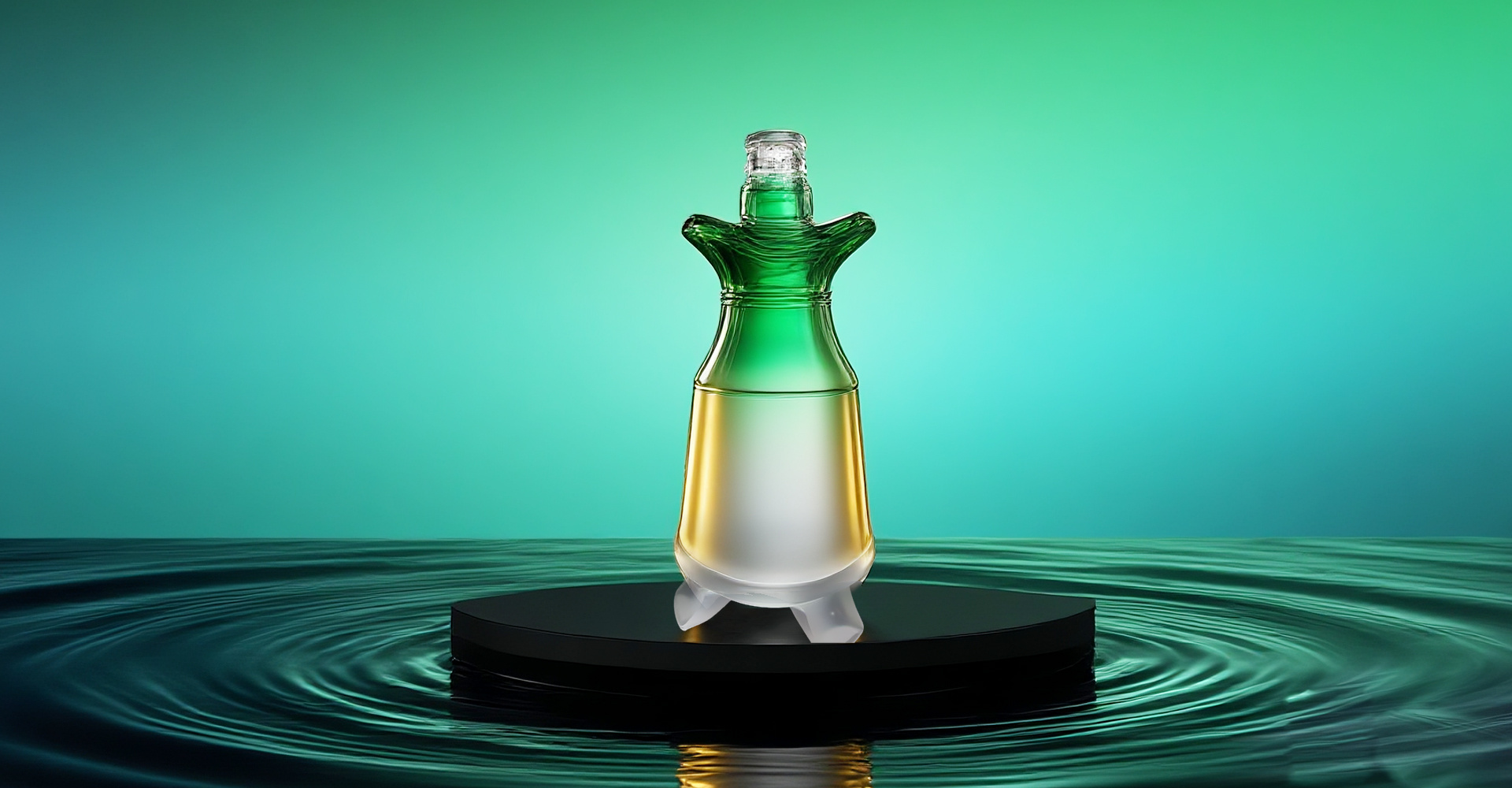
Glaze spraying and decal combine practicality and aesthetics
Release Time:
2025-07-11
Spray glaze decal is a surface treatment technology for ceramics, glass and other materials that combines spray glazing and decal decoration. It is often used for the customization of tableware, tea sets, handicrafts, wine bottles and other products. It can not only give the product a basic color or texture through spray glazing, but also present fine patterns through decals, taking into account both practicality and aesthetics.
Spray glaze decal is a combination of Spray glazing process and Decal decoration Surface treatment technology for ceramics, glass and other materials, often used for the customization of tableware, tea sets, handicrafts, wine bottles and other products, which can not only give the product basic color or texture through spray glaze, but also present fine patterns through decals, taking into account both practicality and aesthetics. The following is a detailed introduction from the aspects of process characteristics, process flow, and application scenarios:
I. Core Features of Spray Glaze Decal
Process Combination : First, a layer of glaze (which can be transparent glaze, colored glaze or matte glaze, etc.) is formed on the surface of the green body (such as ceramic green body, glass bottle) by spraying glaze, and then decal decoration is performed on the glaze surface. Finally, the glaze surface is fused with the decal by high-temperature firing to ensure that the pattern is firm and wear-resistant.
Texture Richness : Spray glaze can create a variety of basic effects (such as frosted, glossy, gradient colors), while decals can present complex patterns (such as LOGO, illustrations, text), and the combination of the two enhances the product's sense of layering.
Applicable Materials : Mainly used for ceramics (stoneware, bone china, etc.) and glass, which need to withstand high-temperature firing (ceramics usually 800-1300℃, glass about 500-800℃).
II. Detailed Process of Spray Glaze Decal
1. Green Body Preparation
Select the required green body (ceramic) or bottle (glass), and ensure that the surface is flat and free of impurities (such as ceramic green body needs to be polished to remove burrs, and glass needs to be cleaned of oil).
If special shapes are required, the green body forming needs to be completed in advance (such as ceramic slurry casting, glass blowing).
2. Spray Glazing Process
Glaze Preparation : Customize the glaze color (such as white, beige, transparent color), texture (matte, glossy, frosted) according to the needs, and consider the compatibility with the subsequent decal pigments (avoid color reaction under high temperature).
Spray Glazing Operation :
Use automatic spray gun or manual spraying to evenly cover the surface of the green body (thickness about 0.1-0.3mm, too thick is easy to sag, too thin is easy to expose the bottom).
Special-shaped products need to be sprayed multiple times in different areas to ensure complete coverage of corners and bumps.
Initial Firing (Bisque Firing / Glaze Firing) :
Ceramics: After spraying glaze, first bisque fire at low temperature (about 600-800℃) to fix the glaze layer and avoid damage to the glaze surface during decal application.
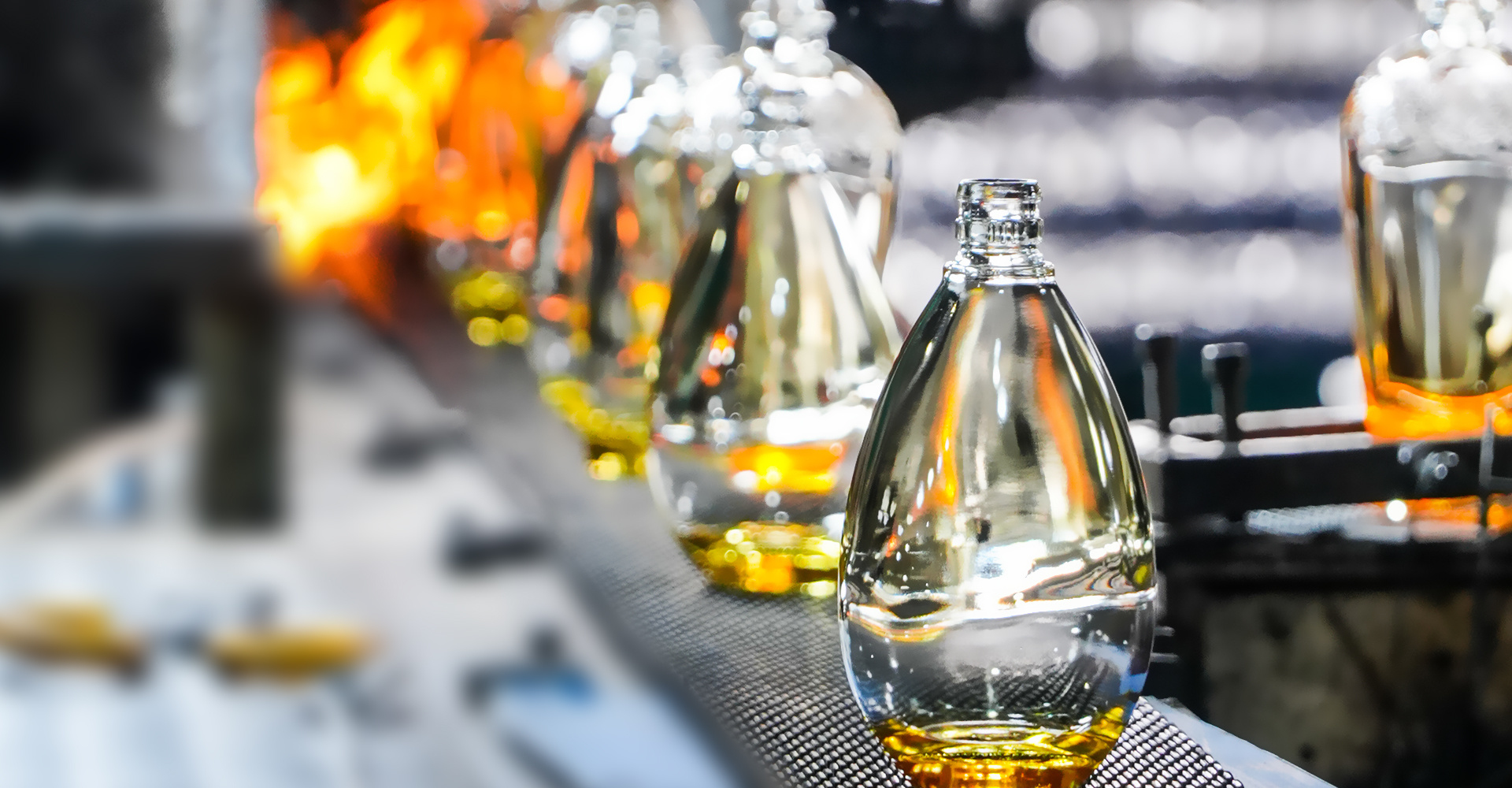
Glass: In some processes, the glaze is sprayed and then directly enters the decal application process, followed by high-temperature firing together with the decal (using the thermal fusion of the glaze and glass).
3. Decal Decoration
Decal Design and Production :
The brand provides high-definition pattern files (AI, CDR format), and the manufacturer adjusts the pattern ratio according to the glaze surface size and confirms the color parameters (the color change after high-temperature firing needs to be considered, such as red may be darker).
Make special flower paper (mostly ceramic / glass special high-temperature resistant flower paper, containing glaze ingredients, to ensure fusion with the underlying glaze).
Decal Application :
Clean the surface of the green body after spraying glaze to remove dust and oil.
Use manual or mechanical decal application: Wet the flower paper and stick it on the specified position of the glaze surface (such as the middle of the bottle body, the edge of the tableware), remove air bubbles and moisture with a scraper, and let it dry.
4. High-Temperature Firing (Key Step)
Put the decaled product into the kiln, set the temperature according to the material and glaze characteristics (ceramics usually 1000-1300℃, glass 500-800℃), and go through three stages: heating, holding, and cooling:
Under high temperature, the underlying glaze melts, the pigments in the decal flower paper fuse with the glaze, and the pattern is permanently fixed inside the glaze layer (rather than on the surface), with the characteristics of scratch resistance, acid and alkali resistance, and dishwasher safe.
Cool after firing, check the glaze surface flatness, decal pattern clarity (no blurring, no halo), and color reproduction.
5. Post-processing and Quality Inspection
If there are defects (such as uneven local glaze surface, decal bubbles), perform manual repair (small areas can be re-sprayed with glaze and then fired at low temperature for the second time).
Comprehensive quality inspection: Check the accuracy of the pattern position, the gloss of the glaze surface, and the packaging and delivery after no damage.
III. Application Scenarios of Spray Glaze Decal
Daily-use Ceramics : Tableware (bowls, plates), tea sets (teapots, teacups), enhance the texture through spray glaze (such as matte beige glaze + decal floral pattern), taking into account both aesthetics and practicality.
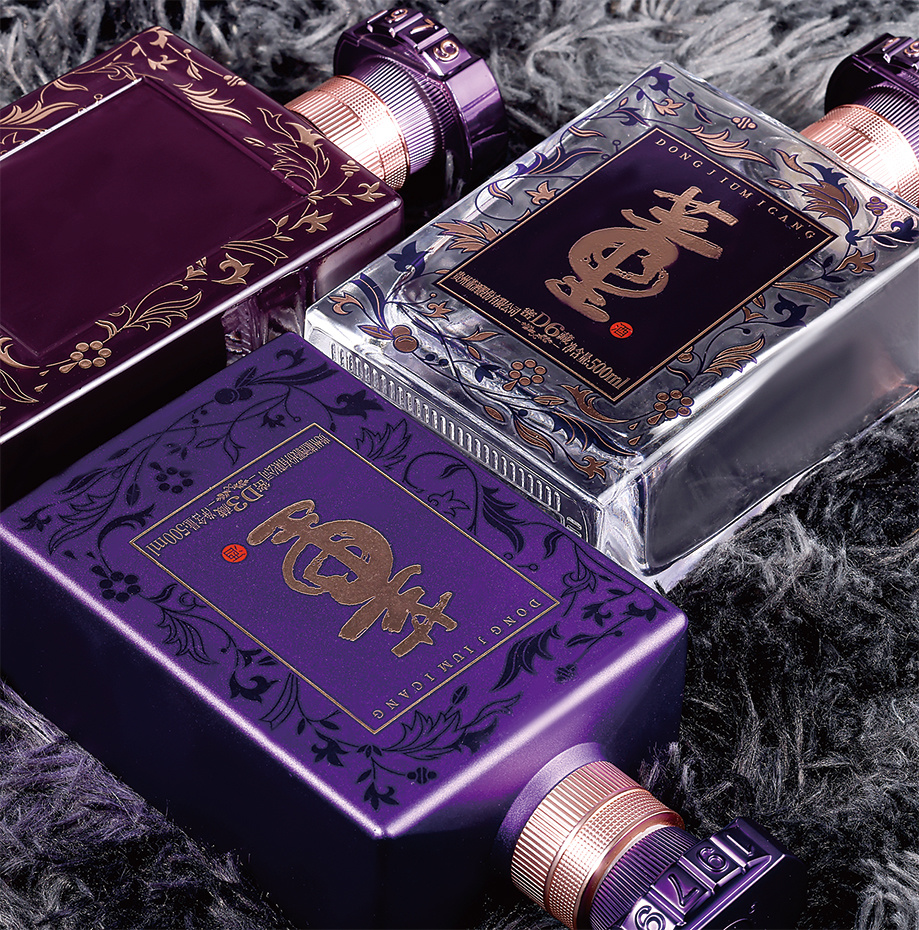
Handicrafts and Gifts : Ceramic ornaments, glass vases, use spray glaze gradient colors + decal fine patterns to create high-end decorative effects.
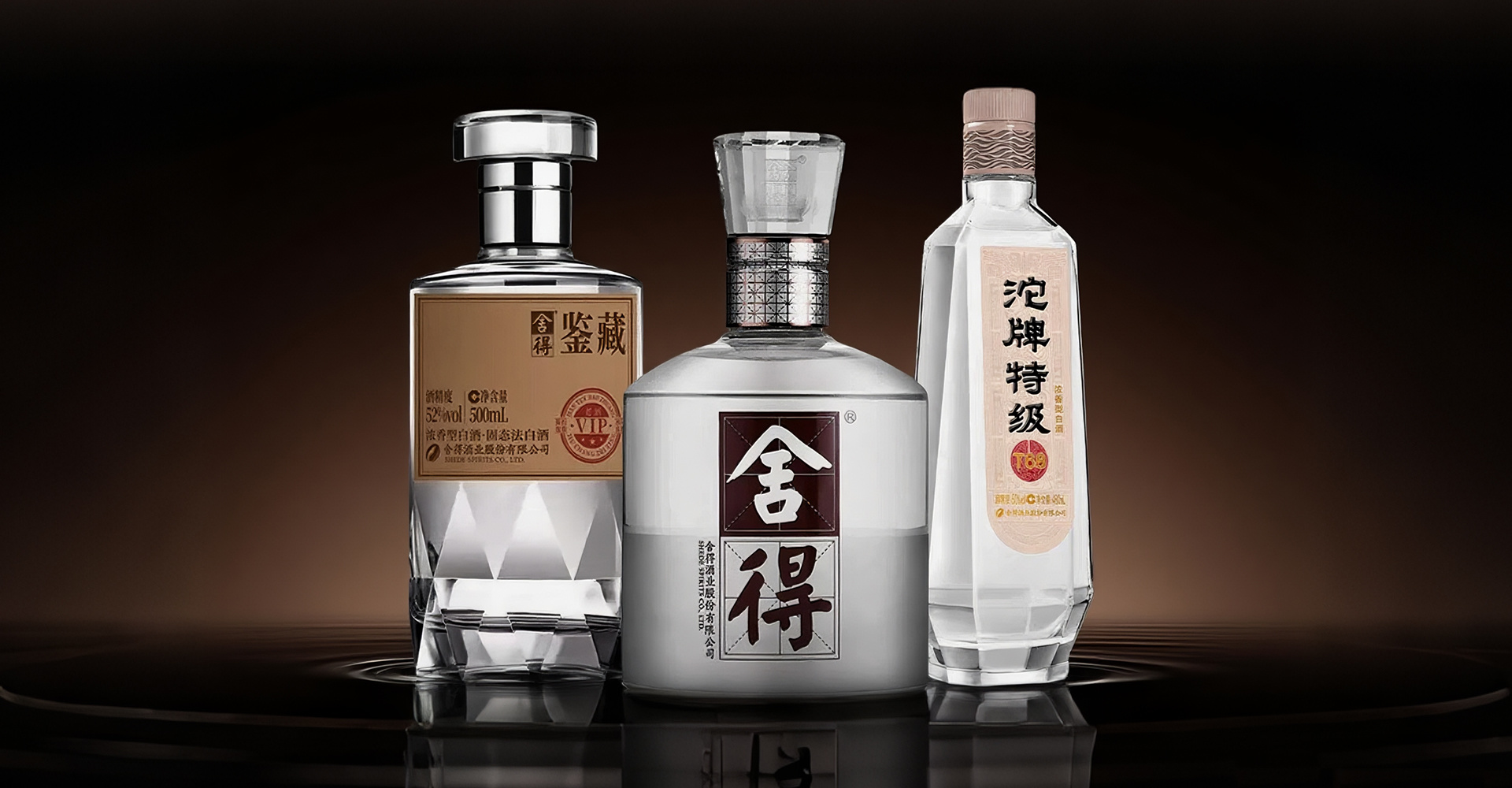
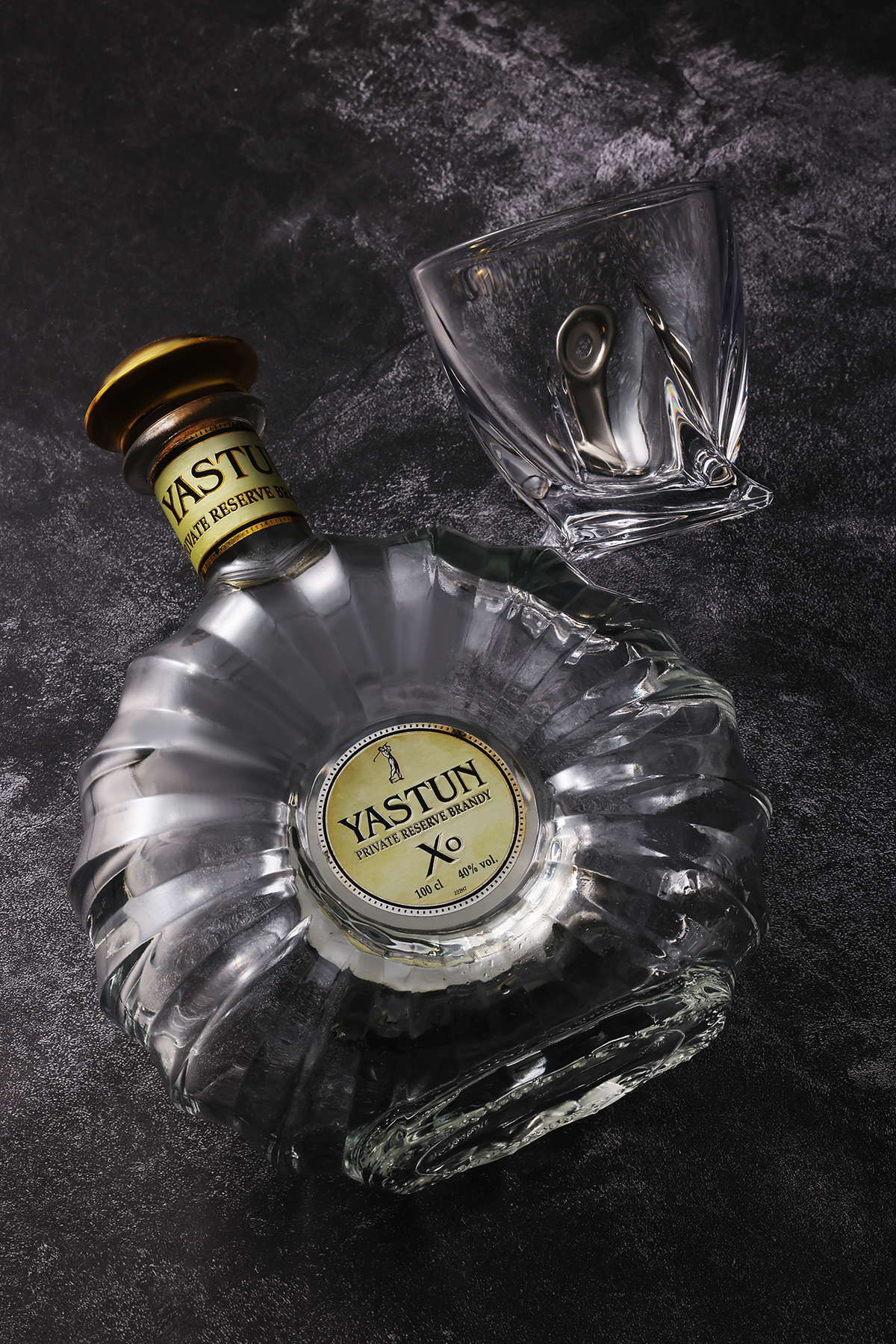
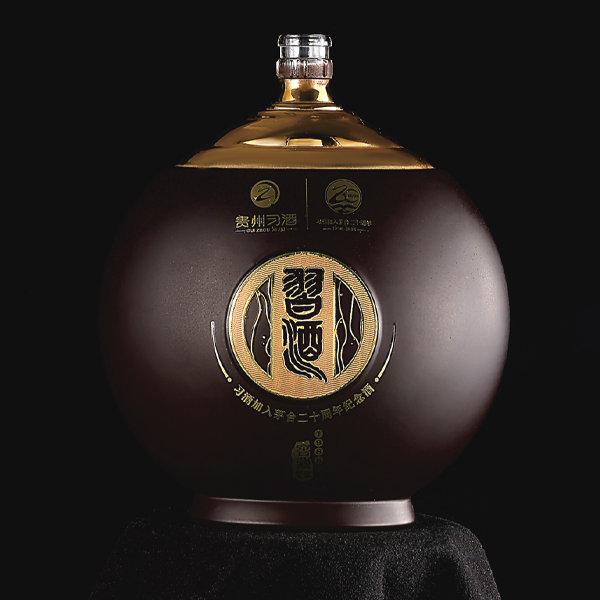
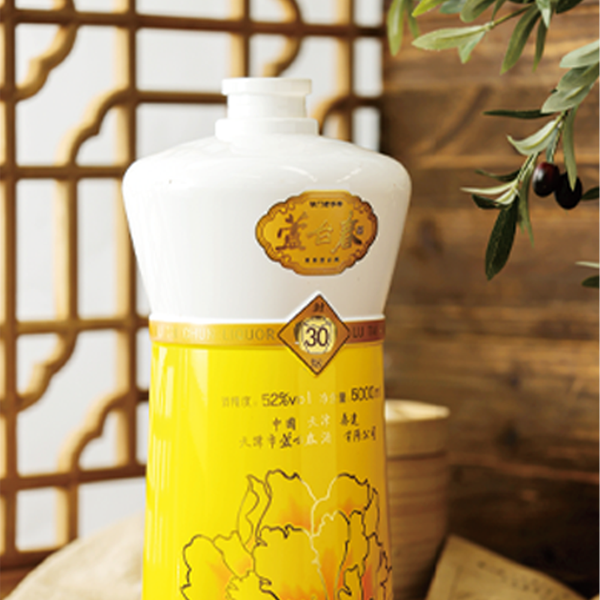
Packaging Containers : Liquor bottles, cosmetic glass bottles, spray glaze (such as frosted black glaze) as the base color, and decals present the brand LOGO and text to enhance product recognition.
IV. Precautions
Process Compatibility Decal paper needs to match the glaze material (such as overglaze/underglaze decal paper for ceramics, and special high-temperature resistant decal paper for glass) to avoid pattern peeling or discoloration after firing.
Cost control The thickness of the glaze and the complexity of the decal (such as multi-color gradients) will affect the cost. It is necessary to confirm the feasibility of the process and the cost through proofing before mass production.
Environmental protection requirements Glazes and decals must meet food contact standards (such as ceramic tableware must pass lead and cadmium leaching tests) to avoid exceeding the limits of harmful substances.
The combination of "basic texture + fine decoration" through glaze spraying and decal application can meet the customized needs of different products, and is especially suitable for scenarios with high requirements for appearance quality and durability.
Keywords:
Learn more about industry trends
We are here to help you
Address: Industrial Park, Shiyanqiao Town, Longchang, Neijiang City, Sichuan Province

Copyright © 2025 All rights reserved by Sichuan JIUPINGLIANHUA Glass Products Co., Ltd. Power by 300.cn · Privacy Policy


 Jiuping Lianhua